
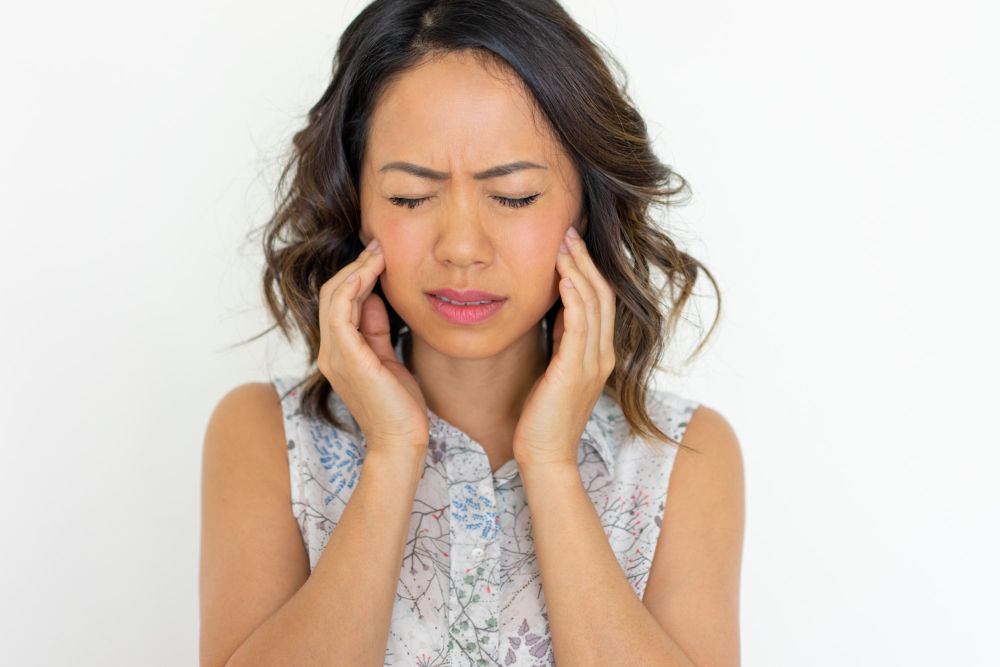
What is Bruxism?
Bruxism is the medical term for teeth grinding or jaw clenching. Many people do this without even knowing, especially while they sleep. Although it may seem harmless, bruxism can cause real problems for your teeth and jaw. For example, it can lead to worn-down teeth, headaches, and jaw pain. Because bruxism often happens at night, you might not notice it right away. However, learning about bruxism symptoms and treatment for bruxism can help you protect your smile.
Common Symptoms of Bruxism
Bruxism can show up in different ways. Sometimes, you may not have any signs at all. Still, it is important to watch for these common symptoms:
In addition, some people notice damage to the inside of their cheeks from biting. If you have any of these symptoms, it is wise to talk to your dentist.
Causes and Risk Factors
Bruxism can have many causes. Often, it is linked to stress or anxiety. But other factors can play a role as well. For instance, some people grind their teeth because of sleep problems. Others may have a bite that does not line up well. Here are some common causes and risk factors:
Because bruxism can have many triggers, it is important to look at your lifestyle and health habits. Sometimes, making small changes can help reduce teeth grinding.
How Bruxism is Diagnosed
Diagnosing bruxism usually starts with a dental checkup. Your dentist will look for signs of wear on your teeth and ask about your symptoms. Sometimes, they may ask about your sleep habits or stress levels. In some cases, your dentist may suggest a sleep study. This test helps find out if you grind your teeth at night or have other sleep problems. Early diagnosis is key because it can prevent further damage to your teeth and jaw.
Treatment Options for Bruxism
Treating bruxism depends on the cause and how severe it is. Your dentist may suggest one or more of these options:
In addition, your dentist may work with your doctor if you have sleep issues. For those seeking bruxism treatment in their city, many dental clinics offer custom mouth guards and advice.
Tips for Prevention and Lifestyle Guidance
While you cannot always prevent bruxism, you can lower your risk. Try these simple tips:
With these steps, you can help protect your teeth and improve your sleep. Remember, early action can make a big difference.
Conclusion
Bruxism is common, but it can cause serious problems if left untreated. If you notice signs like teeth grinding, jaw clenching, or headaches, do not ignore them. Instead, talk to your dentist at Smile Care Dental Specialities about bruxism symptoms and treatment. If you suspect you have bruxism, consult a dental specialist for personalized advice.