
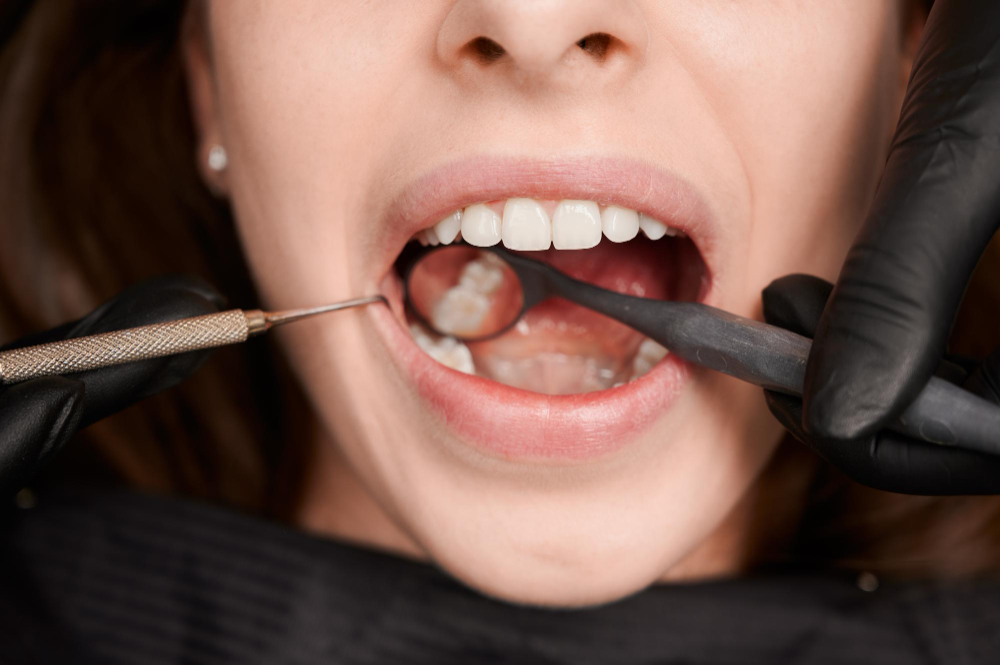
What Are Dental Caries?
Dental caries, also known as tooth decay or cavities, are damaged areas in the hard surface of your teeth. These spots can turn into small holes or pits. In fact, dental caries are one of the most common health problems worldwide. According to the World Health Organization (WHO), almost everyone will have dental caries at some point in life. Early care can help prevent serious problems. For this reason, learning about dental caries is important for your oral health.
Causes of Dental Caries
Dental caries develop when bacteria in your mouth make acids that eat away at your teeth. However, several factors can increase your risk. Understanding these causes can help you avoid tooth decay.
Because bacteria feed on sugars, cutting back on sweets can lower your risk. Also, good oral hygiene is key to stopping dental caries before they start.
Symptoms of Dental Caries
At first, dental caries may not cause any pain. But as the decay grows, you may notice symptoms. Early detection can help you get treatment quickly.
Sometimes, these signs are mild. Still, it is important to see a dentist if you notice any of them. Early care can prevent more serious tooth decay symptoms.
How Dental Caries Are Diagnosed
Dentists use several methods to find dental caries. First, they will ask about your symptoms and check your teeth. Next, they may use special tools to look for soft spots or holes. In many cases, dentists also use X-rays to see hidden decay between teeth. Because early diagnosis helps prevent bigger problems, regular dental check-ups are important. If you live in a city with many dental clinics, you can search for “dental caries treatment in [Your City]” to find a local dentist.
Treatment Options for Dental Caries
Treatment depends on how much the tooth is damaged. Early dental caries can often be treated easily. However, advanced cases may need more care. Here are common ways dentists treat dental caries:
Because each case is different, your dentist will suggest the best way to treat dental caries for you.
Prevention Tips for Dental Caries
Preventing dental caries is easier than treating them. With a few simple steps, you can keep your teeth healthy. Here are some proven dental caries prevention tips:
Additionally, using dental sealants and fluoride treatments can help protect your teeth. Ask your dentist about these options during your next visit.
Lifestyle and Oral Hygiene Guidance
Good oral health is part of a healthy lifestyle. Therefore, making small changes can have a big impact. Try to eat a balanced diet rich in fruits and vegetables. Also, avoid tobacco and limit alcohol, as these can harm your teeth. Remember, teaching children proper brushing and flossing habits early can prevent dental caries later in life. For adults, using mouthwash and chewing sugar-free gum can help keep your mouth clean. If you have braces or dental devices, ask your dentist for special cleaning tips. With these oral health tips, you can lower your risk of cavities and keep your smile bright.
Frequently Asked Questions
Conclusion and Call-to-Action
Dental caries are common, but you can prevent them with good habits. By brushing, flossing, and seeing your dentist regularly, you protect your teeth. If you notice any signs of tooth decay, do not wait.
Consult Smile Care Dental Specialities for personalized advice on preventing and treating dental caries. Your smile is worth it!