
Introduction
Many people lose teeth due to injury, decay, or gum disease. Fixed Partial Dentures (FPD), also called dental bridges, offer a popular tooth replacement option. In this blog, you will learn what FPDs are, who needs them, and how they help restore your smile. We will also cover the FPD procedure, benefits, risks, and care tips. If you are considering a fixed dental prosthesis, this guide is for you.
What Are Fixed Partial Dentures (FPD)?
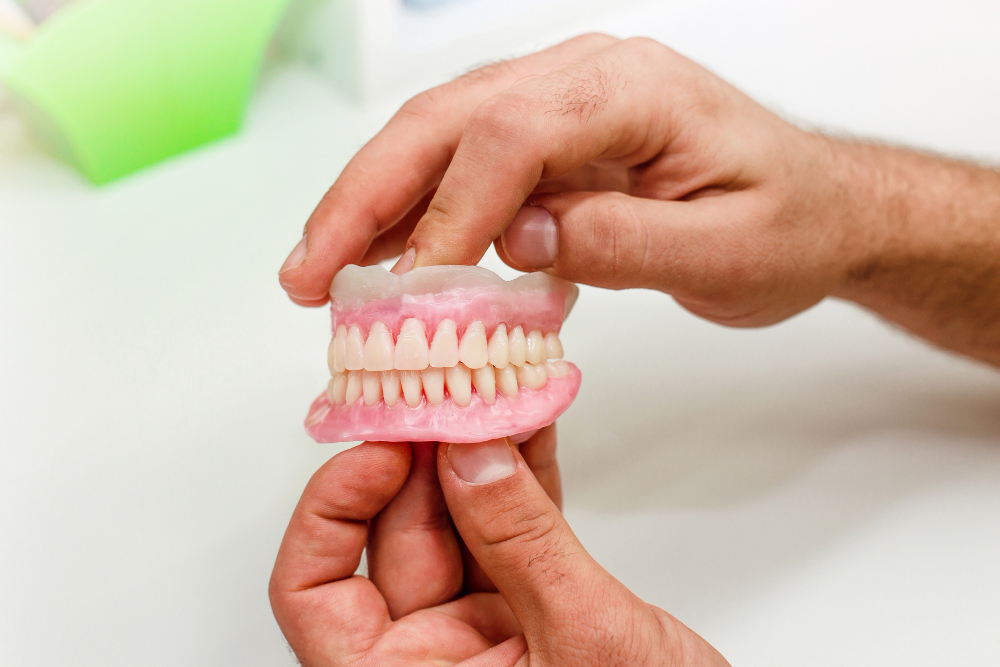
Fixed Partial Dentures (FPD) are dental devices used to replace missing teeth. Unlike removable dentures, FPDs are cemented in place. Dentists often call them dental bridges because they “bridge” the gap left by missing teeth. Usually, FPDs use the teeth next to the gap as support. These supporting teeth are called abutment teeth. The false tooth in the middle is called a pontic. FPDs can be made from metal, porcelain, or a mix of both. They look and feel like natural teeth.
Common Symptoms and Signs Indicating the Need for FPD
Sometimes, you may not notice missing teeth right away. However, certain signs suggest you might need a dental bridge or FPD. For example:
If you notice any of these symptoms, it is wise to visit your dentist. Early action can prevent further dental issues.
Causes of Tooth Loss Leading to FPD
Many factors can lead to tooth loss. As a result, you may need a fixed dental prosthesis. Common causes include:
According to the World Health Organization (WHO), dental caries and gum disease are leading causes of tooth loss worldwide.
Diagnosis: How Dentists Determine the Need for FPD
First, your dentist will examine your mouth and teeth. They may ask about your dental history and any symptoms. Next, X-rays help check the health of your gums and supporting teeth. Sometimes, dentists use dental impressions to plan the FPD procedure. If your nearby teeth are strong and healthy, you may be a good candidate for a dental bridge. However, if your gums or teeth are weak, your dentist may suggest other tooth replacement options.
Treatment Process: Getting Fixed Partial Dentures
The FPD procedure usually takes two or more dental visits. Here is what you can expect:
After the procedure, your dentist will check your bite and make sure the bridge fits well. Most people adjust to their new FPD within a few days.
Benefits and Risks of FPD
Fixed Partial Dentures offer many benefits. For instance:
However, there are some risks to consider. These include:
According to the American Dental Association, most FPDs last 5 to 15 years with proper care.
Care and Maintenance Tips for FPD
Proper care helps your FPD last longer. Here are some simple tips:
With good care, your fixed dental prosthesis can serve you well for many years.
Prevention: How to Avoid Needing FPD
While FPDs are a great solution, it is best to keep your natural teeth healthy. To prevent tooth loss:
These habits can lower your risk of needing tooth replacement options like FPD in the future.
Conclusion
Fixed Partial Dentures (FPD) are a trusted way to replace missing teeth. They restore function and improve your smile. If you think you might need a dental bridge or want to learn more about the FPD procedure, consult your dentist at Smile Care Dental Specialities for personalized advice about Fixed Partial Dentures (FPD).