
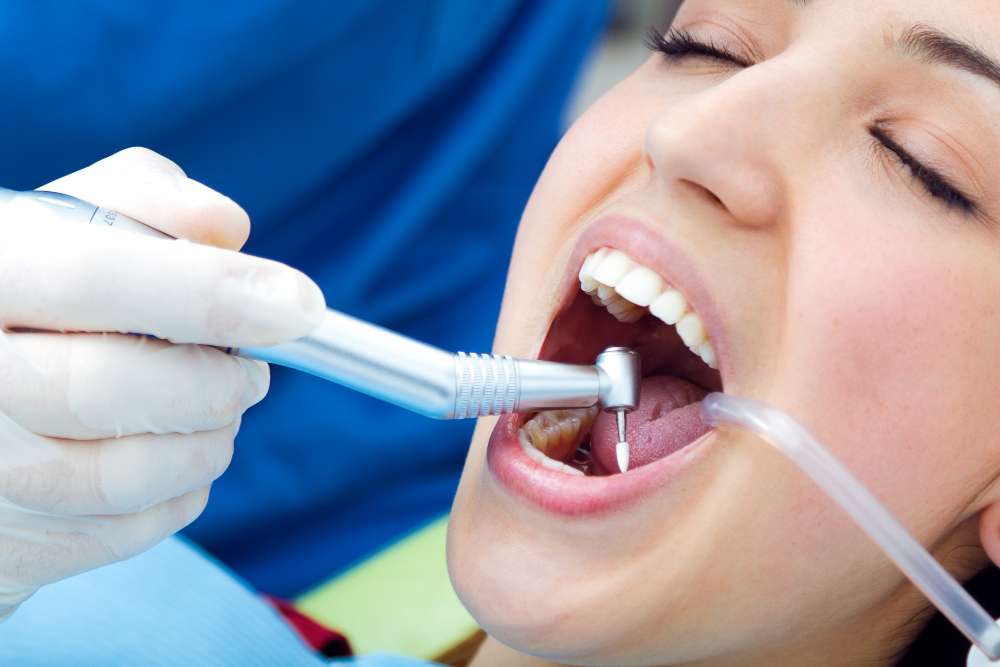
What Is Teeth Cleaning?
Teeth cleaning is a simple way to keep your mouth healthy. During a dental cleaning, a dentist or dental hygienist removes plaque and tartar from your teeth. Plaque is a sticky film that forms on teeth and can lead to cavities or gum disease. Tartar is hardened plaque that brushing alone cannot remove. Regular teeth cleaning helps keep your smile bright and your mouth fresh. Most people need professional teeth cleaning every six months. However, your dentist may suggest a different schedule based on your needs.
Why Is Teeth Cleaning Important?
Keeping your teeth clean is key for good oral hygiene. First, it helps prevent tooth decay and gum disease. Also, regular dental cleaning removes stains from food and drinks. In addition, it can help you avoid bad breath. Most importantly, teeth cleaning allows your dentist to spot early signs of dental problems. Early treatment can save you time, money, and discomfort. According to the American Dental Association, regular cleanings are a vital part of dental health.
How Is Professional Teeth Cleaning Performed?
Professional teeth cleaning is a safe and gentle process. Here is what usually happens during a dentist visit for cleaning:
Each step helps keep your teeth and gums healthy. The whole process usually takes about 30 to 60 minutes.
Benefits of Regular Teeth Cleaning
There are many reasons to schedule regular dental cleanings. For example, you can enjoy a brighter smile and fresher breath. Here are some key benefits:
According to the Centers for Disease Control and Prevention (CDC), good oral hygiene supports your overall health.
Aftercare Tips Following Teeth Cleaning
After your teeth cleaning, it is important to care for your mouth. Here are some simple tips to follow:
Following these tips helps keep your teeth and gums healthy between dental visits.
Frequently Asked Questions About Teeth Cleaning
In summary, regular teeth cleaning is a simple way to protect your dental health. It keeps your mouth fresh, prevents problems, and supports your overall well-being.
Consult your dentist at Smile Care Dental Specialities for personalised teeth cleaning advice and regular check-ups.